
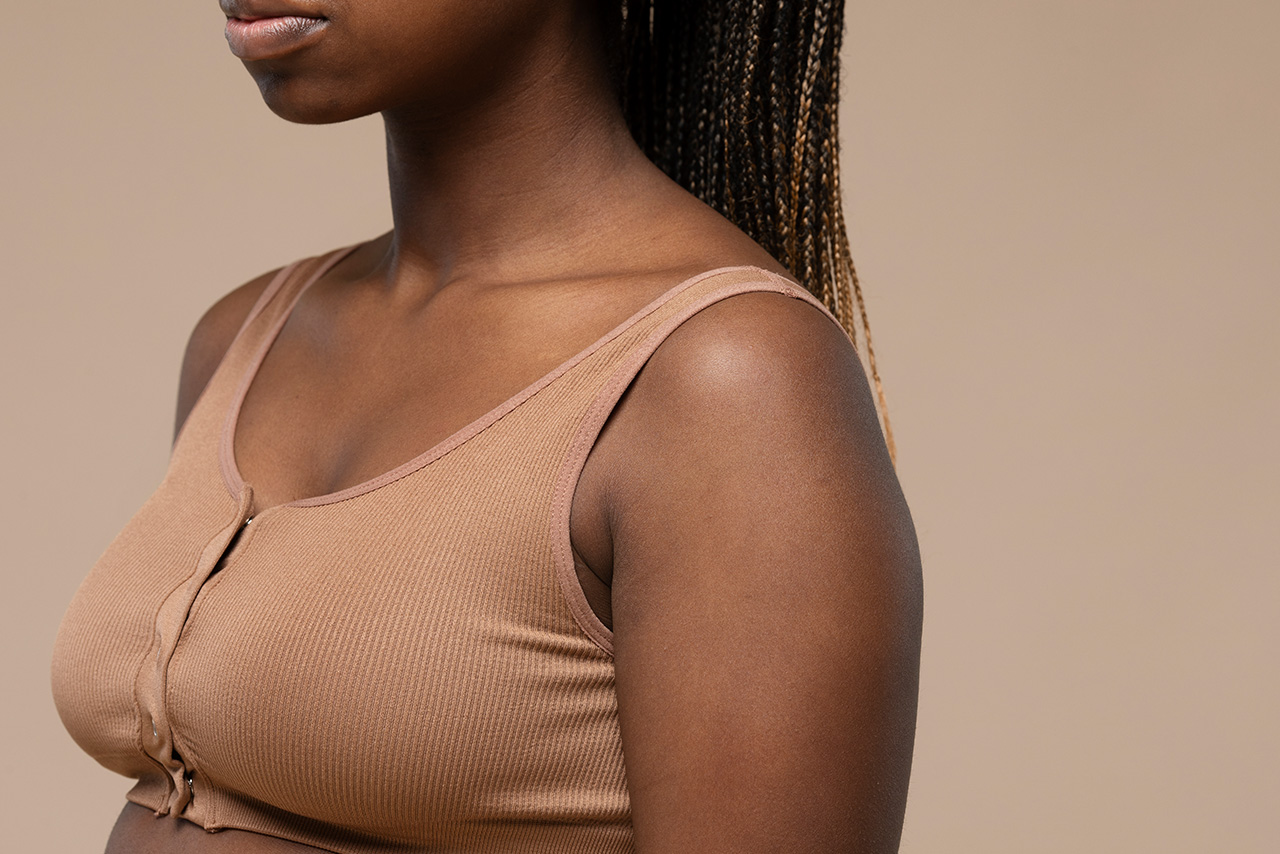
Regular breast self-exams are an essential part of your overall health care. By familiarizing yourself with the look and feel of your breasts, you can detect any changes early and seek medical advice promptly. Although most breast lumps are not cancerous, it’s important to check regularly and consult your healthcare provider if you notice any unusual changes. Here’s how to perform a breast self-exam at home.
1. Understand Your Breasts
Before diving into the steps, it’s important to know what’s normal for you. Breasts come in all shapes and sizes, and it’s normal for them to feel slightly lumpy or uneven. Hormonal changes throughout your menstrual cycle can also affect how your breasts feel. By performing regular self-exams, you’ll become more familiar with your breasts and be better able to notice any unusual changes.
2. Choose the Right Time
The best time to perform a breast self-exam is a few days after your period ends, when your breasts are least likely to be swollen or tender. If you’re postmenopausal, choose a specific day of the month that’s easy to remember, like the first of the month.
3. Step-by-Step Guide to a Breast Self-Exam
Step 1: Visual Inspection
Stand in front of a mirror with your shoulders straight and your arms at your sides. Look for the following:
– Changes in shape or size: Check if one breast appears significantly larger or differently shaped than the other.
– Skin changes: Look for dimpling, puckering, or changes in texture.
– Nipple changes: Check if your nipples are inverted (turned inward) or if there’s any discharge.
– Color changes: Be aware of any redness, rash, or other changes in color.
Next, raise your arms above your head and repeat the visual inspection, as lifting your arms can reveal changes that aren’t noticeable when your arms are down.
Step 2: Physical Inspection While Lying Down
Lie down on your back with a pillow under your right shoulder. Place your right arm behind your head. This position spreads your breast tissue evenly across your chest, making it easier to feel for lumps.
– Use the pads of your three middle fingers: With the fingers of your left hand, gently press down in small, circular motions to feel for any lumps or thickening in your right breast.
– Vary pressure: Use light, medium, and firm pressure to feel the different layers of your breast tissue, from the skin to the deeper tissue.
– Follow a pattern: You can choose to examine your breast in a circular motion, from the outside in, or move your fingers up and down in rows (like mowing a lawn). Ensure you cover the entire breast, from the collarbone to the top of your abdomen, and from your armpit to your cleavage.
– Check the nipple: Gently squeeze the nipple to check for any discharge.
Repeat these steps for your left breast, using your right hand.
Step 3: Physical Inspection While Standing or Sitting
Some changes are easier to detect when your breasts are wet and slippery, so many women prefer to do this step in the shower. With your right arm raised, use your left hand to examine your right breast in the same way as described above. Repeat for the left breast.
4. What to Do If You Find a Lump
Don’t panic if you find a lump; most breast lumps are benign (non-cancerous). However, it’s crucial to consult with your healthcare provider for further evaluation. You should also seek medical advice if you notice any of the following:
– A lump that feels different from the rest of your breast tissue
– A change in the size or shape of your breast
– Persistent pain in one area of your breast
– Nipple discharge, especially if it’s bloody or occurs without squeezing the nipple
– Skin changes, such as dimpling or puckering
5. Remember: Self-Exams Are Only Part of the Picture
While breast self-exams are an important tool for early detection, they should not replace regular clinical breast exams and mammograms. It’s important to follow your healthcare provider’s recommendations for routine screenings based on your age, risk factors, and personal health history.
Final Thoughts
By taking the time to perform regular breast self-exams, you’re taking an active role in your health. The more familiar you are with your breasts, the easier it will be to notice any changes. If you have any concerns or questions about breast self-exams, don’t hesitate to reach out to your healthcare provider for guidance. Early detection is key to successful treatment, so make breast self-exams a regular part of your health routine.


0 Comments